Overcomplicating the Design: Why Simplicity Wins in Business Logo Design
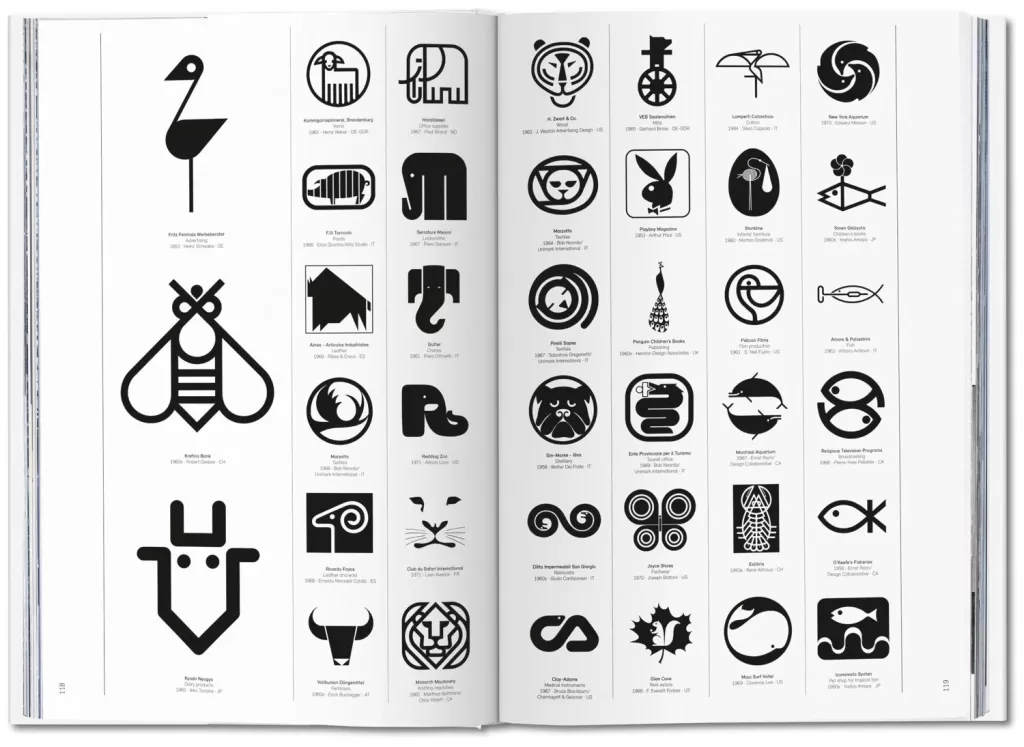
When it comes to business logo design, it’s easy to get carried away. You want your logo to stand out, be memorable, and perfectly represent everything your business is about. But here’s the thing: overcomplicating your design is a fast track to making it forgettable and hard to use. Less is more, and simplicity can make a much stronger impact than a logo that’s trying to do too much. Let’s dive into why simple logos work and how you can avoid overcomplicating your design.
Why Simple Logos Are More Memorable
Think about some of the most iconic logos you know: Apple, Nike, McDonald’s. They all have something in common—simplicity. A logo that’s easy to recognize at a glance is far more memorable than one packed with tiny details and complex shapes. If you throw too many elements into the mix, you run the risk of creating visual clutter, which can overwhelm your audience and dilute the message. Your business logo design should be clear and straightforward, focusing on the essence of your brand rather than cramming in every concept.
A logo that’s simple and bold can instantly grab attention, whether it’s on a website, business card, or billboard. Overcomplicating the design often leads to confusion, and a confused viewer is less likely to remember your brand. In a world where people are bombarded with information, standing out with simplicity is your best bet.
Versatility is Key to a Successful Logo
One of the most important things to remember about your business logo design is that it will be used everywhere—on websites, social media, products, and even tiny favicons in web browsers. A complicated logo may look great blown up on a screen, but how will it perform when it’s shrunk down to fit on a pen or a mobile app icon? Spoiler alert: probably not well.
Logos need to be versatile, and overcomplicated designs simply don’t adapt as easily. Think about how a logo will look in black and white, or in different sizes. Can you still make out all the details? If not, it’s a sign that your design might need simplifying. A simple logo is far easier to resize and reproduce across various mediums without losing its impact.
The Pitfalls of Adding Too Many Elements
It’s tempting to want to include every part of your business story in your logo, but that’s what leads to overcomplication. You might feel like you need to include a symbol for your mission, a visual for your product, a nod to your location, and some unique typography—all in one small design. But packing in too many elements can lead to a logo that’s confusing, busy, and lacks focus.
Instead, prioritize. What’s the one thing you want people to understand about your brand when they see your logo? Focus on that. A single strong element is more powerful than a bunch of competing ones. Whether it’s a simple shape, a clean font, or a bold color, less is always more when it comes to creating a business logo design that resonates.
Choosing Colors That Don’t Match Your Brand
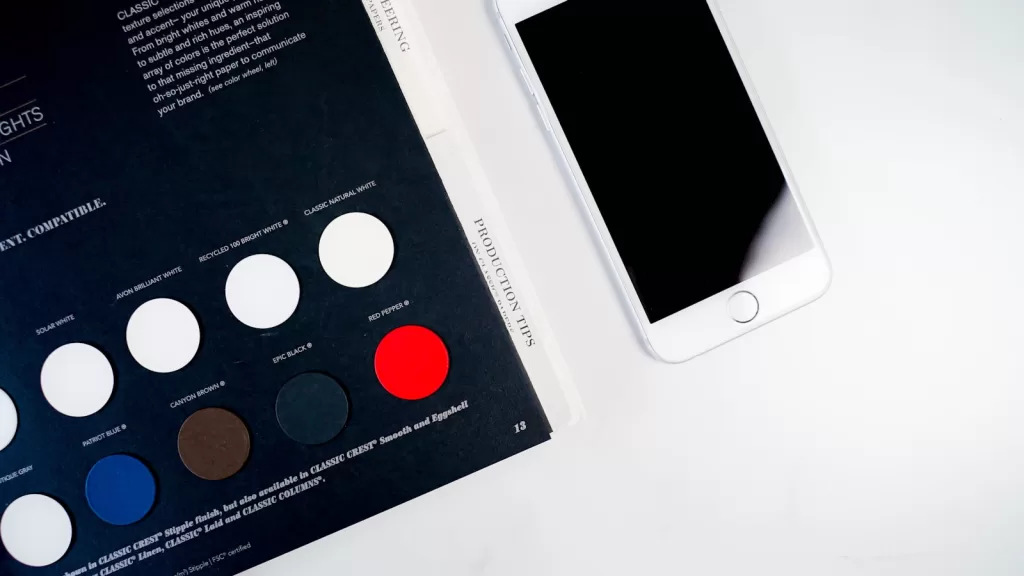
When it comes to business logo design, choosing the right colors is not just about personal preference. It’s easy to fall into the trap of picking colors you like rather than ones that actually work for your brand. But here’s the thing: colors are more than just pretty visuals—they communicate your brand’s personality and values to your audience. A mismatched color palette can confuse your customers or even send the wrong message. So, let’s dive into why this is so important and how to avoid the common mistake of picking the wrong colors for your logo!
Colors Speak Louder Than Words
Did you know that colors can speak to your audience before you do? It’s true! Colors evoke emotions and set the tone for how people perceive your business. For instance, blue is often associated with trust and professionalism, while red can signal excitement or urgency. Now, imagine you’re trying to create a calming, wellness-oriented brand, but you go with bold reds and oranges. That’s a clash waiting to happen! Your logo design should reflect the vibe of your brand, and that starts with getting the color right. Remember, people will see your logo before they read about your business, so the colors need to set the mood immediately.
Your Audience Knows What to Expect
The colors you choose for your business logo design will influence how people feel about your brand. Think about your target audience. Are they young and trendy, or more corporate and professional? Each audience has expectations when they look at your branding. Bright, playful colors might be perfect for a kids’ toy store, but for a legal firm, not so much. You don’t want to surprise—or worse, confuse—your audience with colors that don’t align with their expectations. The key is to pick colors that resonate with both your brand’s mission and your target demographic.
Consider the Emotional Connection
It’s important to understand that colors form an emotional connection with your customers. Whether they realize it or not, they feel something when they see your logo. This is why choosing the wrong color can be a dealbreaker. Let’s say you run a luxury brand—using neon greens and pinks might send the message that your business is more casual than high-end. Instead, colors like black, gold, or deep blue often work better because they convey sophistication. On the flip side, if you’re running a fun, quirky start-up, serious tones like dark gray or navy might miss the mark. Colors set the emotional stage for your customers, so pick wisely.
Clashing Colors Can Hurt Brand Recognition
Your logo is the face of your brand, and consistency is key. If you choose colors that don’t match your overall branding, it can cause confusion and hurt your brand recognition. Picture this: your website uses soft pastel tones, but your logo is in neon yellow and purple. It’s jarring and doesn’t feel cohesive. Over time, this inconsistency can weaken your brand’s identity. Keeping a unified look across all platforms—whether it’s your logo, social media, or marketing materials—helps people recognize your brand at a glance. When colors clash, that recognition becomes harder to achieve.
Testing Before You Commit
Here’s a little tip: always test your colors before finalizing your business logo design. What looks good on your computer screen might not translate well on print, merchandise, or other digital platforms. Sometimes, certain colors blend or appear too light when scaled down, especially on mobile devices. Test your logo on different backgrounds and see how the colors pop in various settings. A quick A/B test with your audience can also help you gauge their reaction before you commit to a final design. After all, you want your logo to look great everywhere, not just on your computer!
Ignoring Scalability and Versatility: A Common Logo Design Mistake

When designing a business logo, it’s easy to get caught up in the moment. You might focus on making it look stunning on your website or business card, but what happens when you need that logo in different sizes or formats? That’s where scalability and versatility come into play—and ignoring these factors could be a costly mistake for your start-up.
Why Scalability Matters for Your Logo
Scalability refers to how well your logo adapts to being resized. Whether it’s on a giant billboard or a tiny social media profile picture, your logo should always look sharp and clear. Imagine having a beautiful, intricate logo that looks perfect on your website, but when you shrink it down for a mobile app icon, it turns into an unrecognizable blur. That’s the kind of problem that poor scalability creates.
You want your logo to remain consistent and recognizable, regardless of where it’s displayed. Start-ups, especially those aiming for rapid growth, need to think ahead. As your business expands, your logo will be used in more places than you can probably imagine—so it’s crucial to ensure that it scales without losing its impact.
Versatility: Logos for All Platforms
Versatility is all about how adaptable your business logo design is across different mediums. A logo that looks amazing in one context but doesn’t translate well in others can hurt your brand consistency. Your logo needs to be just as effective on digital platforms as it is in print. For example, if your logo depends on vibrant colors to stand out, how does it hold up in black and white? Or if your design relies on detailed graphics, does it still look good in a simplified form for social media avatars or merchandise?
The most versatile logos are simple, bold, and not too reliant on intricate details. Think about famous logos like Nike’s swoosh or Apple’s apple. They work in any color, any size, and on any platform. This kind of flexibility helps build brand recognition and allows you to seamlessly integrate your logo into various marketing materials without worrying about losing quality or clarity.
Planning for the Future
You might be starting small, but every entrepreneur dreams big. Ignoring scalability and versatility is like designing a logo with blinders on—you’re only thinking about today, not tomorrow. As your business grows, you’ll want to use your logo in more places: on merchandise, in video content, on apps, or maybe even international campaigns. If your logo isn’t scalable and versatile from the get-go, you might face the headache (and expense) of redesigning it down the line.
To future-proof your logo, it’s smart to plan for both the smallest and largest formats where it might appear. A well-designed business logo should adapt to any size, look professional across all mediums, and keep your brand message intact no matter where it’s seen.
The Cost of Overlooking Scalability and Versatility
If you ignore scalability and versatility in your logo design, you could face some costly consequences. Redesigning your logo once you’ve already launched can confuse customers, weaken your brand identity, and cost a lot of money. Plus, there’s the time factor—tweaking your logo to fit different formats after the fact will take time away from other important business activities. Getting it right the first time saves you from unnecessary stress and expense.
In short, don’t make the mistake of designing a logo that only looks good on a computer screen or in print. A truly effective business logo design will scale beautifully and remain versatile across any platform, helping your brand look polished and professional, no matter where it appears.
Forgetting to Consider Your Target Audience in Business Logo Design

Designing a business logo is one of the most exciting parts of starting a company. You get to explore colors, shapes, and fonts that represent the heart of your brand. But here’s the thing: if you’re not considering your target audience while doing this, your logo might not resonate with the people who matter most—your customers! Let’s take a closer look at why understanding your audience is crucial in the logo design process.
Why Your Target Audience Matters
You might think your logo only needs to look good and reflect your business, but it’s much more than that. A great business logo design speaks directly to the people you want to attract. Whether your audience is made up of tech-savvy millennials, small business owners, or eco-conscious consumers, your logo should connect with them. Forgetting to consider your target audience is like shouting into the void—no matter how cool your design is, it won’t mean much if it doesn’t resonate with the right people.
Imagine you’re running a health and wellness start-up aimed at a younger audience. If your logo uses old-fashioned fonts or dull colors, it’s probably not going to hit the mark. Your audience might feel disconnected before they even know what your business is about. On the other hand, a vibrant, modern design could grab their attention and give them the right impression of your brand from the start.
Tailoring Your Logo to Your Audience’s Expectations
Different groups of people have different preferences, and your business logo design should reflect that. If your brand targets luxury consumers, a sleek, minimalist logo may do wonders. Meanwhile, if you’re appealing to a more playful or creative crowd, you’ll want something a little more dynamic and fun. By understanding your audience’s tastes and expectations, you can craft a logo that feels relatable to them, making your brand memorable for all the right reasons.
Take a minute to think about your favorite brands. Whether it’s a tech giant like Apple or a local café you adore, their logos make sense because they “get” who their customers are. That same approach should apply to your start-up. It’s all about designing with your audience in mind, so they instantly feel a connection with your brand.
Avoiding a Generic Design
When you don’t consider your target audience, you risk creating a generic logo that blends in with the crowd. It might look okay, but it won’t stand out or grab the attention of your ideal customers. And if your audience doesn’t see anything special in your logo, they might not take the next step to learn more about your business.
By putting some thought into who you’re designing for, you can avoid a cookie-cutter logo and instead create something unique and tailored to your audience. It shows you understand their needs, their aspirations, and even their aesthetic preferences. A thoughtful business logo design can be a powerful tool in building brand loyalty right from the start.
Tips for Keeping Your Audience in Focus
So, how do you make sure you’re considering your target audience? Start by researching what appeals to them. Look at your competitors and notice how their logos align with their audience. Are they using bright colors or neutral tones? Is the logo clean and simple, or packed with detail? While you don’t want to copy what others are doing, these insights will give you a clearer picture of what resonates in your industry.
Next, think about your audience’s demographics. Age, profession, location—these factors can help guide your logo design choices. For example, a logo that works for tech-savvy urban professionals in their 20s might not have the same appeal for middle-aged business executives. Keep in mind how your audience will interpret your logo and make design decisions that will speak to them directly.
Finally, test your ideas. Before finalizing your business logo design, try gathering feedback from people who represent your target audience. What do they think about the colors? Does the font feel approachable or too serious? A little feedback goes a long way in ensuring your logo is a hit with your customers.
Connecting Your Business with the Right Audience
Your business logo is the face of your brand, so it’s important to make sure it’s doing the heavy lifting. Forgetting to consider your target audience during the design process can lead to missed opportunities. You want your logo to resonate with people who will love your brand—not just look nice on your website. By taking the time to understand your audience, you’ll create a design that draws them in and makes them feel connected to your business.